
Manage ezCater Orders Across Every Restaurant Location
Summary Highlights
Manage ezCater orders across locations, track accuracy, timing, disputes, and reviews, and compare catering performance with delivery apps in one view.
Managing ezCater Catering Orders Alongside Delivery Apps
If your team runs DoorDash, Uber Eats, and Grubhub like clockwork, ezCater can still catch you off guard. Catering orders don't behave like delivery orders - they're bigger, they're booked further out, and when something goes wrong, it's not one customer who notices, it's an entire office. For multi-location brands adding catering as a growth channel, that difference matters more than it looks like on paper.
What Makes Catering Orders Different From Standard Delivery Orders?
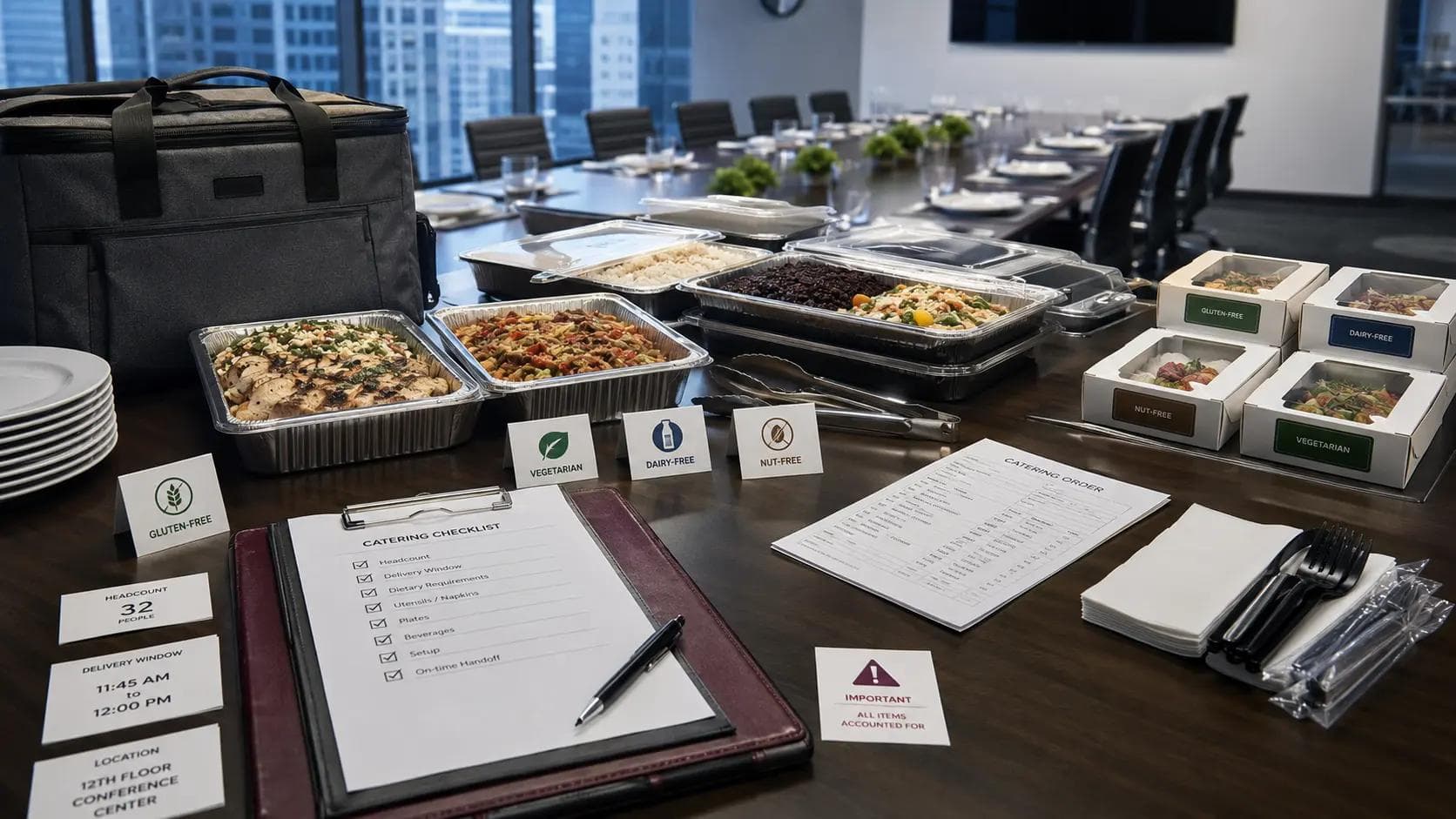
A catering order through ezCater is a single, larger transaction built around a headcount, a delivery window, and a business customer who's ordering for other people, not just themselves. Standard delivery orders are single-serving, ordered on impulse, and forgiving of small hiccups. Catering orders are booked 24-48 hours ahead, priced per person, and judged by whether the food actually matches what was promised - because the person ordering usually isn't the person eating.
That means the operational bar is different. A missing item on a $30 delivery order is annoying. A missing item on a $600 catering order for a 40-person meeting is a problem your customer has to explain to their own boss.
Why ezCater Matters for Multi-Location Restaurant Brands
ezCater connects restaurants to a large network of workplace buyers - offices, event planners, and recurring meal programs - who order on a completely different cycle than a typical Friday-night delivery customer. For a multi-unit brand, that's a real incremental revenue channel: larger average tickets, more predictable demand once a company becomes a repeat customer, and exposure to buyers who might never have found you through a regular delivery app search.
The catch is that ezCater expects consistency across every location that's listed. One store having an off week on order accuracy doesn't just cost that store - it can affect how the whole brand shows up in ezCater's marketplace ranking.
The Real Risk: Catering Mistakes Are Expensive and Public
A wrong item on a catering order isn't a one-star review from one person, it's a bad experience witnessed by an entire meeting room. And because catering customers often order on a recurring basis - the same office, the same team lunch, week after week - losing that account doesn't just cost you one order, it costs you the whole recurring relationship. Tracking food delivery KPIs like order accuracy and prep timing matters just as much for catering as it does for standard delivery, arguably more, since the margin for error is smaller and the audience per order is bigger.
How to Keep ezCater Standards High Across Every Location
ezCater's own guidance for restaurants centers on a small number of consistency markers - the same ones that separate a reliable catering partner from one that gets buried in search results. Here's what to keep in view across every location running catering:
- Confirm headcount math before prep - a serving-size mismatch is the single most common catering complaint.
- Treat the 24-48 hour lead time as a checkpoint, not a buffer - confirm the order the day before, not the morning of.
- Use a kitchen checklist at hand-off, not memory - catering orders have more components than a standard bag.
- Track order accuracy and on-time delivery by location, not just brand-wide - one store's problem can drag down how the whole brand ranks.
- Keep dietary and packaging details current on your listing - vague menus convert worse and cause more mid-order questions.
- Route catering complaints and disputes the same way you'd route a delivery order error - quickly, and with evidence.
Running Catering and Delivery Through One Operational View
The operational trap for multi-location brands is treating catering as a side process - a separate tablet, a separate person checking it, a separate mental model. That's exactly how a catering order gets missed during a lunch rush. The stores that handle catering well are usually the ones that fold it into the same daily rhythm as their DoorDash, Uber Eats, and Grubhub orders: same accuracy standard, same dispute process when a charge looks wrong, same review and reputation tracking when a workplace customer leaves feedback. Talk to a Voosh expert to see how catering fits into a unified delivery operations view.
Getting Started With Catering as a Growth Channel
If you're already running Voosh across DoorDash, Uber Eats, and Grubhub, adding ezCater to that same operational rhythm is a smaller lift than treating it as a brand-new channel. Start with the stores that already have strong delivery accuracy scores - they're the ones most likely to earn ezCater's reliability standard quickly, and the ones where a first catering push is least likely to go sideways.